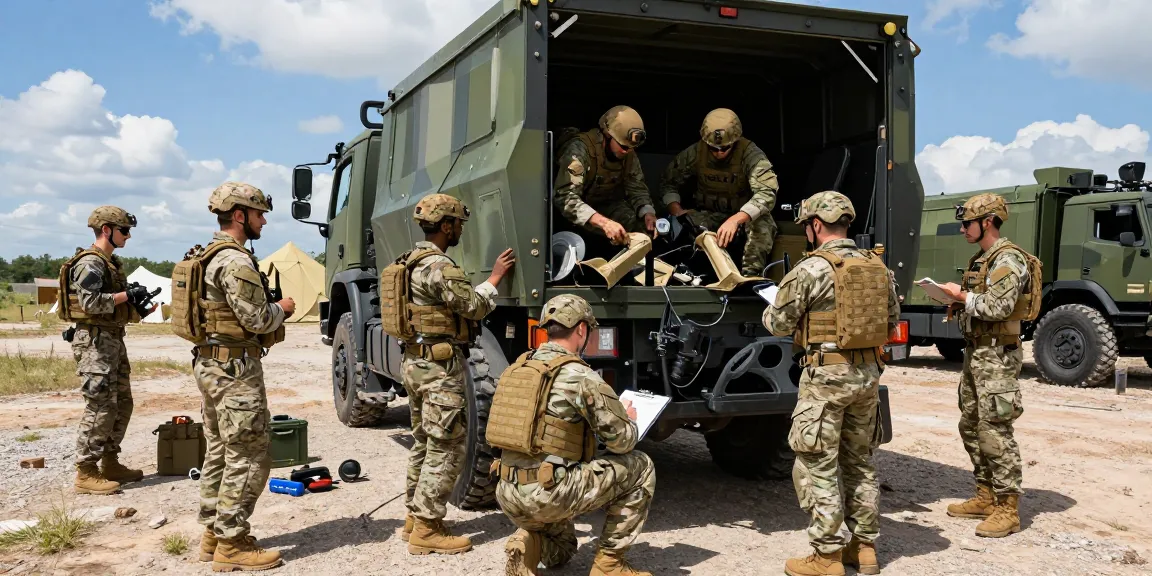
Understanding the Role of 88M in Military Operations
The role of 88M Motor Transport Operators is critical to ensuring the efficiency and effectiveness of military logistics and transportation. These operators are responsible for overseeing and operating wheeled vehicles, which are essential for transporting personnel and cargo across various terrains. In an ever-evolving military landscape, the importance of this role cannot be overstated. Motor Transport Operators contribute to operational success by executing logistics plans that involve strategic vehicle management and hands-on driving capabilities. When exploring options, 88m provides comprehensive insights into the crucial responsibilities and training involved in this military occupational specialty (MOS).
What Does an 88M Motor Transport Operator Do?
An 88M Motor Transport Operator performs a range of tasks essential to military operations. These include:
- Supervising and operating tactical wheeled vehicles
- Transporting troops and equipment to and from mission sites
- Conducting maintenance and inspection on vehicles to ensure operational readiness
- Managing the loading and unloading of cargo
- Adhering to safety protocols and military regulations
With responsibilities that extend beyond simply driving, 88M operators play a vital role in supporting ground forces by ensuring that logistics are executed seamlessly.
The Importance of 88M in Logistics and Transportation
In military logistics, the efficiency of transporting personnel and equipment can dictate the success of a mission. The 88M role exemplifies the backbone of military logistics, providing the necessary mobility and support to ground units. These operators not only facilitate the movement of vital resources but also ensure that missions are carried out without delay. Their skills are critical in both peacetime and wartime scenarios, reinforcing the military’s capability to respond to diverse operational demands.
Key Skills Required for 88M Operators
88M Motor Transport Operators must possess a combination of technical and interpersonal skills, including:
- Driving Skills: Proficiency in operating various military vehicles, including heavy trucks and tactical vehicles.
- Mechanical Aptitude: Ability to perform basic vehicle maintenance and troubleshooting.
- Communication Skills: Effective communication with team members and command staff to ensure smooth operations.
- Problem-Solving: Quick thinking and the ability to adapt to changing circumstances on the ground.
- Attention to Detail: Thorough inspection of vehicles and adherence to safety protocols.
Training Pathway for 88M Motor Transport Operators
The training pathway for becoming an 88M is rigorous and requires dedication. It begins with Basic Combat Training (BCT), followed by Advanced Individual Training (AIT) designed specifically for Motor Transport Operators.
Basic Combat Training and Advanced Individual Training
During Basic Combat Training, recruits learn fundamental military skills and physical fitness. Following this, AIT lasts approximately six weeks and focuses on specialized knowledge for operating and maintaining military vehicles. Recruits are acquainted with tactical driving techniques, safety procedures, and vehicle management strategies essential for their roles.
Essential Certifications and Qualifications for 88M
To officially qualify as an 88M, individuals must complete their training and achieve the necessary certifications. This includes obtaining a valid Commercial Driver’s License (CDL), which is crucial for operating military and heavy-duty vehicles. Additional training modules may cover skills such as convoy operations and emergency response, further enhancing their readiness for diverse operational scenarios.
Preparing for Service: What to Expect in Training
Preparation for service as an 88M is comprehensive. Recruits can expect to engage in both theoretical and practical training. Hands-on experience is critical, as operators often face challenging environments that require adaptability and quick decision-making. Building teamwork and leadership skills is also emphasized, as 88M operators commonly work in close coordination with other military branches and units.
Career Opportunities and Advancement as an 88M
A career as an 88M Motor Transport Operator opens various pathways within the military and beyond. This role not only provides military experience but also equips individuals with transferable skills that are valuable in civilian occupations.
Potential Career Paths for 88M Operators
88M operators have opportunities to advance within their ranks or transition into related fields, including:
- Logistics Management
- Transportation Planning
- Fleet Management
- Safety Compliance and Regulations
With additional training and experience, operators can pursue leadership roles, such as overseeing transportation units or managing logistics operations at a higher level.
Salary Expectations for 88M in 2026
The salary of an 88M Motor Transport Operator varies based on experience, rank, and the specific military branch. As of 2026, the average salary expectations for active-duty operators range from $40,000 to $60,000 annually, with potential for higher earnings in supervisory roles or specialized positions. Additionally, benefits associated with military service further enhance the overall compensation package.
Real-world Applications and Transferable Skills
The expertise gained as an 88M operator extends far beyond military service. Skills in logistics, vehicle operation, and team coordination are highly regarded in civilian sectors such as transportation, logistics, construction, and emergency management. Transitioning to civilian roles can be seamless with the right certifications and experience.
Challenges Faced by 88M Operators Today
While the role of an 88M is rewarding, it comes with its set of challenges that require resilience and adaptability.
Understanding the Physical and Mental Demands of the Job
Motor Transport Operators are often required to work long hours in varying conditions. This may include transporting cargo across challenging terrains or during adverse weather conditions. The mental demands include decision-making under pressure and maintaining focus during extended operations.
Common Misconceptions About the 88M Role
One common misconception is that 88M operators are merely drivers. In reality, the role encompasses extensive logistics planning, vehicle management, and leadership responsibilities. The strategic nature of their work requires training and expertise that goes far beyond basic driving skills.
How to Overcome Challenges as an 88M Operator
To effectively overcome the challenges faced in this role, operators are encouraged to:
- Engage in continuous training and skill development
- Practice effective time management and stress relief techniques
- Stay physically fit and maintain a healthy lifestyle
- Foster a strong support network with fellow operators
Future Trends for Military Transportation and 88M Operators
Looking ahead, the role of 88M operators will continue to evolve alongside advancements in military logistics and vehicle technology.
Innovations in Military Logistics for 2026
In 2026, we can expect to see significant innovations in logistics, including the integration of artificial intelligence and robotics in transportation management. These technologies aim to streamline operations, enhance safety, and reduce response times in logistical support.
The Role of Technology in the Evolution of 88M
As technology advances, 88M operators will need to adapt to new vehicle systems, including automated and electric vehicles. Continuous training in these areas will be essential to ensure operators are proficient in utilizing the latest technology effectively.
Looking Ahead: Preparing for Future Military Operations
To prepare for future military operations, 88M operators must stay abreast of technological trends and enhancements in military strategy. This proactive approach will equip them to meet the demands of modern warfare and logistics.
What is the average salary of an 88M Motor Transport Operator?
As of 2026, the average salary for an 88M operator ranges from $40,000 to $60,000 per year, depending on experience and rank.
Is 88M a challenging role in the military?
Yes, the role is challenging due to the physical demands, mental acuity required, and the responsibility of ensuring effective logistics operations.
What are the best practices for 88M operators?
Best practices include continuous training, effective communication, attention to vehicle maintenance, and stress management techniques.
How can I prepare for my training as an 88M?
Preparing for training involves physical fitness, familiarization with vehicle operations, and developing a proactive mindset towards learning and teamwork.
What kind of vehicles do 88M operators work with?
Operators work with a variety of tactical wheeled vehicles, including heavy trucks, cargo carriers, and specialized military transport vehicles.