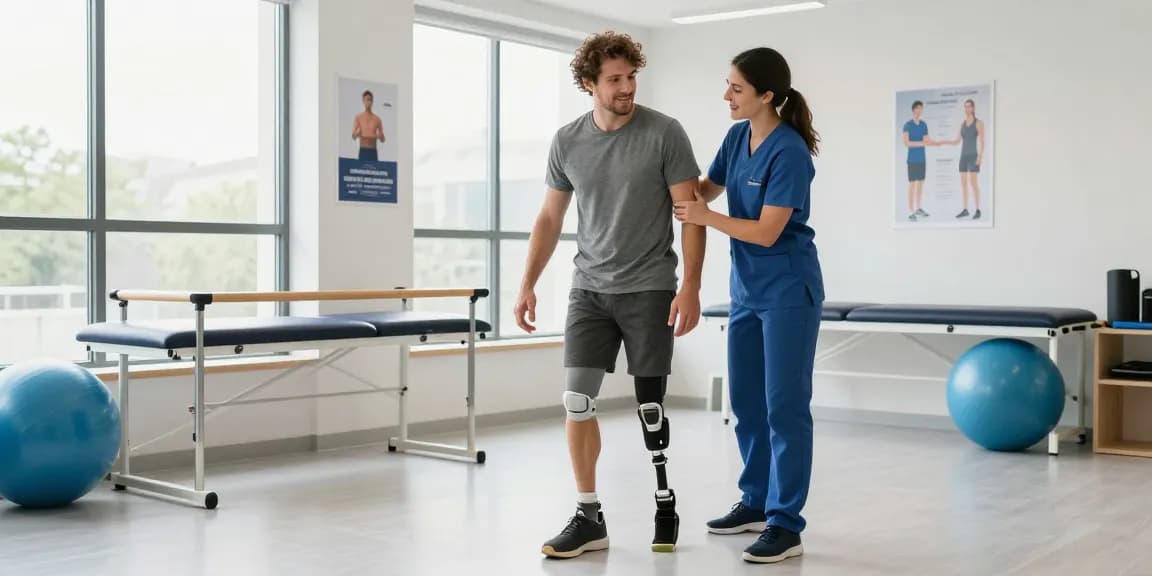
The Importance of Rehabilitation for Amputees
Rehabilitation is a critical component in the journey of amputees, fundamentally transforming their lives by helping them regain mobility and independence. Following an amputation, individuals face not only physical challenges but also emotional and psychological barriers. A comprehensive rehabilitation program tailored to an amputee's needs is vital for successful recovery and reintegration into society. This process is complex and requires understanding various aspects including K-Levels, technological advancements, and holistic approaches, all aimed at restoring functionality and improving quality of life. For further insights into these aspects, you can explore the DRAGON222 link that outlines essential information for amputees and their support systems.
Understanding K-Levels and Mobility
K-Levels, or functional mobility levels, are essential for determining an amputee's potential mobility using prosthetic devices. They range from K0, indicating no ability to ambulate, to K4, which signifies the ability to perform high-impact activities. Understanding K-Levels can provide insight into the appropriate prosthetic options, ensuring better outcomes in rehabilitation.
Common Misconceptions About Rehabilitation
Many people believe that rehabilitation for amputees is solely about physical recovery. However, it encompasses emotional and psychological support as well. Misunderstandings about the rehabilitation process can lead to unrealistic expectations, where individuals could think that a prosthetic device alone can solve all mobility issues. In reality, ongoing therapy, emotional counseling, and community support are equally important.
The Role of Technology in Recovery
Technological advancements play a pivotal role in the rehabilitation process for amputees. Smart prosthetics equipped with sensors allow for better balance and movement, providing users with a more natural gait. Innovations such as 3D printing of custom prosthetics and apps that monitor rehabilitation progress are game changers by meeting individual needs effectively.
Innovative Tools and Techniques in Amputee Therapy
Latest Advancements in Prosthetic Technology
Prosthetic technology has evolved rapidly, offering amputees options that were unimaginable just a few years ago. Features such as bionic limbs equipped with neural control systems allow users to move their prosthetics using thought. These cutting-edge devices enhance mobility and restore a sense of control for users.
Holistic Approaches to Rehabilitation
Holistic rehabilitation for amputees involves addressing the body, mind, and spirit. Techniques such as yoga, mindfulness, and support groups are increasingly integrated into rehabilitation programs. These practices help in reducing anxiety, increasing self-esteem, and fostering a supportive community, which all contribute to a more comprehensive healing experience.
Using the DRAGON222 link in Therapy
The integration of digital tools like the DRAGON222 link into therapy can provide amputees with valuable resources and connections to professionals who can guide their recovery process. This digital tool can facilitate communication with healthcare providers, access to educational materials, and community support, all of which are essential for a successful rehabilitation journey.
Challenges Faced by Amputees
Emotional Impact and Psychological Support
Amputation can lead to significant emotional challenges, including depression and anxiety. Effective rehabilitation programs must incorporate psychological support to help amputees navigate these issues. Therapeutic interventions such as cognitive behavioral therapy (CBT) have proven effective in helping people adjust to their new circumstances.
Physical Limitations and Solutions
Many amputees face physical limitations that can hinder their ability to participate in everyday activities. Solutions include personalized physical therapy plans that focus on strength building and balance restoration. Access to adaptive sports programs can also provide an outlet for physical expression and community building.
Accessibility Issues in Rehabilitation Facilities
Access to rehabilitation facilities can greatly affect the success of recovery for amputees. Many rehab centers may not be fully accessible, which can discourage individuals from seeking necessary help. It’s vital for communities to ensure that rehabilitation facilities are equipped to accommodate the diverse needs of amputees to promote efficient recovery.
Real-Life Success Stories and Case Studies
Profiles of Inspiring Amputees
Numerous individuals have overcome the challenges associated with amputation to achieve incredible feats. For instance, athletes like Jessica Long have not only excelled in sports but have also become advocates for amputee rights and rehabilitation. Their stories serve to inspire others on similar journeys.
How Technology Transformed Their Journeys
Many amputees have credited advancements in prosthetic technology with revolutionizing their recovery. For example, the use of advanced prosthetic limbs that mimic natural movement has allowed individuals to regain independence and pursue their passions, from sports to everyday activities.
The Future of Amputee Rehabilitation Programs
As technology continues to advance and societal understanding of amputee needs evolves, rehabilitation programs are expected to incorporate more personalized approaches. The focus will shift toward continuous support and innovation, with a strong emphasis on mental health, community engagement, and individualized care plans.
Looking Ahead: The Future of Amputee Rehabilitation in 2026
Emerging Trends in Physical Therapy
By 2026, we anticipate a rise in emerging trends such as tele-rehabilitation, where amputees can receive therapy remotely. This can provide more flexibility for patients who may struggle to visit physical locations, ensuring they still receive the critical support necessary for recovery.
What to Expect from Rehabilitation Services
Rehabilitation services will likely focus more on integrated care, combining physical, emotional, and technological support. The adoption of AI-driven therapies, which customize rehabilitation programs based on real-time data, will also be a significant trend.
Integrating DRAGON222 link into Future Practices
The DRAGON222 link is poised to become an essential resource in future practices, connecting amputees with innovative rehabilitation tools and community support. As more individuals access this tool, the potential for shared knowledge and resources will enhance the overall recovery experience and lead to better outcomes for amputees.
What Are K-Levels and Why Are They Important?
Understanding K-Levels is crucial in determining the best prosthetic options available. These levels assess an amputee's functional capabilities, informing rehabilitation plans tailored to their individual mobility needs.
Can Technology Really Help Amputees?
Absolutely, technology enhances rehabilitation for amputees by providing tools that improve mobility, enhance comfort, and strengthen overall recovery. From advanced prosthetics to telehealth, the benefits are substantial.
What’s the Best Way to Support an Amputee?
Support can come in various forms, including emotional encouragement, practical assistance, and connecting them with resources like peer support groups or rehabilitation programs.
How Do I Choose the Right Rehabilitation Center?
Consider factors such as facility accessibility, specialization in amputee care, available technologies, and the overall philosophy of the rehabilitation program when selecting an appropriate center.
What Can I Do to Help My Loved One’s Recovery?
Being present, encouraging participation in rehabilitation programs, and advocating for their needs can significantly influence an amputee’s recovery journey. Offering support and understanding can lead to improved emotional and physical health.