
Understanding the Core Mechanics of Goal
The game Goal presents a unique blend of strategy and chance, engaging players in a universe that mimics the thrill of football but has been reimagined through a logic-centric lens. Players maneuver a football through obstacles arranged within a grid, where each successful move brings them closer to their goal, both literally and figuratively. Whether you are a casual gamer or a seasoned strategist, understanding the core mechanics is essential for maximizing your experience. When exploring options, goal provides comprehensive insights into game mechanics and strategies that can elevate your performance.
Basic Rules and Game Structure
Goal operates on a grid system where players select squares in an attempt to progress the football toward the opponent's goal. Each square holds a potential reward or a challenge, and understanding the layout is crucial for planning your moves strategically. Players must decipher which squares lead to safety and which harbor obstacles, such as defenders and goalkeepers attempting to thwart their advance. This duality of risk and reward keeps players engaged, making every decision pivotal.
Scoring and Reward Systems Explained
Success in Goal is not merely about advancing; it involves a dynamic scoring system wherein points are accumulated based on the choices made. The scoring mechanism utilizes a tiered reward structure, where players who navigate further along the grid can unlock higher multiplicative bonuses. Understanding this system is foundational to maximizing your gameplay and turning high-risk choices into lucrative outcomes.
Importance of Risk Management and Strategy
Effective risk management is a vital component of mastering Goal. Players are encouraged to analyze their situation at every turn, weighing the potential gains against the risks involved. Establishing a strategy that guides choices, from conservative to aggressive plays, will not only increase your chances of success but also enhance your overall gaming experience. Keeping a clear head and following a well-thought-out gameplay strategy can greatly influence the long-term results.
Game Modes and Difficulty Levels in Goal
Goal caters to various skill levels and preferences by offering multiple game modes, each presenting unique challenges and rewards. Understanding the nuances of these modes can help players tailor their gameplay to suit their personal style and risk appetite.
Basic Play: Small Grid Challenges
In the Small Grid mode, players encounter a compact 3x4 grid configuration. This introduction to the game allows new players to familiarize themselves with mechanics at a manageable risk level. The low density of obstacles in this mode leads to an impressive probability of safely advancing the football, making it ideal for players seeking to learn without overwhelming challenges.
Intermediate Challenges: Medium Grid Strategies
The Medium Grid mode typically expands the playing area to configurations like 4x7 or 5x8, introducing a higher degree of complexity. Players must hone their analytical skills to progress, with obstacles now more prevalent. This mode suits the player looking for increased excitement and the potential for greater rewards.
Advanced Play: Conquering the Big Grid
The Big Grid mode maximizes difficulty by presenting a sprawling field, often up to 6x10. Each move carries significant risk, and players must possess a strong strategic foundation to overcome the formidable barriers that define this mode. Conquering the Big Grid exemplifies mastery in Goal and garners the highest rewards, appealing to competitive players.
Comparative Analysis of Goal and Similar Games
In the crowded landscape of gaming, Goal stands out not only for its mechanics but also for its engaging visual and audio elements. A thorough comparison with similar football-themed games reveals the unique aspects that make Goal an exceptional entry.
Feature Comparison with Existing Football Games
Most football games require players to control entire teams in a time-consuming format. Goal, however, shifts focus onto individual decision-making within a compressed timeframe, offering quick gameplay. This innovation attracts those looking for an interactive yet casual gaming experience without a long-term commitment to sessions.
Visual and Audio Elements in Gameplay
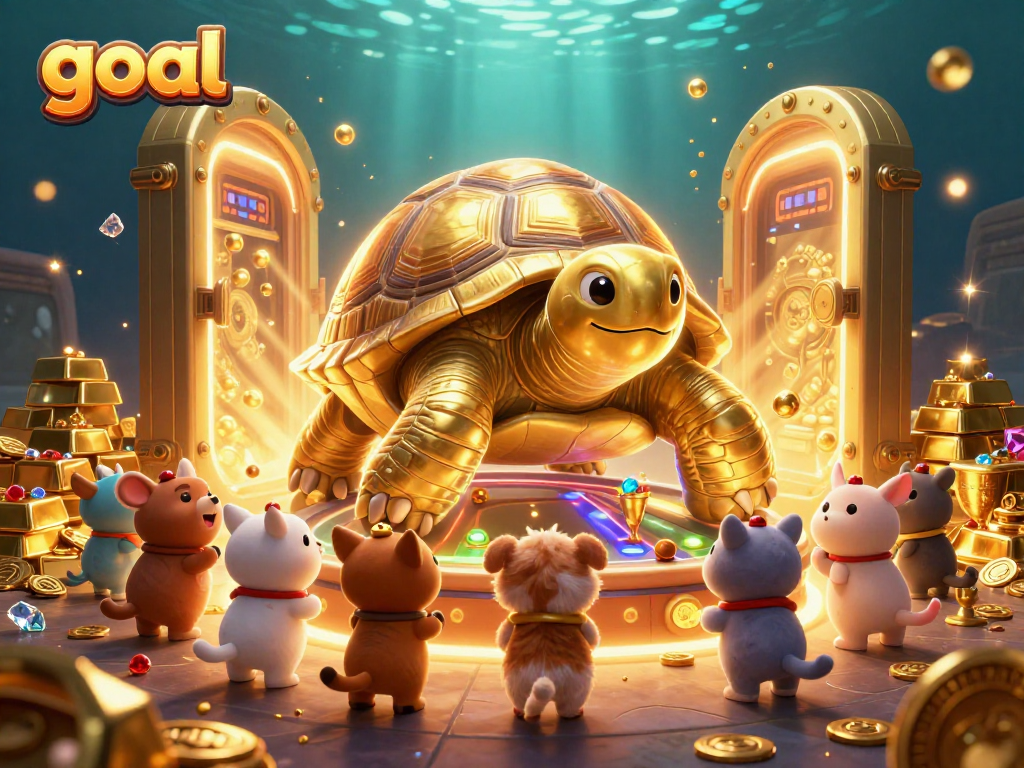
The aesthetics of Goal enhance player engagement, with dynamic graphics and immersive sound design that creates a lively sporting atmosphere. The vibrant colors and fluid motions inject excitement into every round, while the audiovisual feedback serves to heighten anticipation, much like a live match.
Community Reception and Feedback
Player feedback emphasizes the refreshing mechanics of Goal compared to traditional football games. Reviews often highlight the blend of skill and luck that keeps sessions entertaining and encourages repeated play, ensuring that the community remains active and enthusiastic.
Maximizing Rewards: Strategies for Success in Goal
Success in Goal requires more than just a grasp of the mechanics; it demands a strategic approach to decision-making. Players who leverage this can enhance their gaming experience significantly.
Effective Use of Power-Ups and Items
Goal integrates various power-ups and items into gameplay that can dramatically alter the outcome of any session. Understanding how and when to deploy these resources is key to maximizing your advantage against the grid's challenges. Some items may provide temporary safety from obstacles, while others can multiply the rewards from successful moves.
Understanding the Cash Out Mechanism
The Cash Out system is a strategic feature designed to allow players to secure their accrued rewards at pivotal moments. This mechanism encourages players to evaluate risk dynamically, weighing the potential benefits of continuing versus the security of taking what they have earned.
Building a Winning Strategy Over Time
As players gain experience, constructing a sustainable winning strategy becomes integral to long-term success. Keeping track of gameplay patterns and continuously adjusting approaches based on outcomes will increase performance and enjoyment of the game. Over time, seasoned players can refine their methods and improve decision-making speed, ultimately moving towards higher accolades in Goal.
The Future of Goal and Online Gaming Trends
The online gaming industry is ever-evolving, and Goal is poised to adapt and thrive within this landscape. Anticipating upcoming trends can position players favorably as they navigate the game's continued developments.
Expected Updates and New Features
Regular updates from the developers promise new features and enhancements that cater to the community's interests, keeping the gameplay experience fresh and engaging. Player suggestions often guide these updates, reflecting the importance of community feedback in shaping the evolution of gaming.
Adapting to Player Feedback for Continuous Improvement
The agile nature of online gaming allows developers to respond to player feedback swiftly. Continuous improvements based on user experiences encourage a participatory environment, enhancing player satisfaction and retention.
Future Trends in Interactive Online Games
As online gaming trends toward increased interactivity and player engagement, Goal is set to embrace these trends by enhancing its gameplay mechanics. Expect features that encourage cooperative play and social interaction, further solidifying its place within the community-centric gaming landscape.